

Uterine rupture is a rare but serious medical complication that can occur during pregnancy or pregnancy-related care. Although it is more commonly associated with late pregnancy and labour, many women ask whether uterine rupture can occur during early abortion.
This article provides medically accurate, non-judgmental information to help women understand the risks, warning signs, and importance of seeking professional reproductive healthcare.
What Is Uterine Rupture?
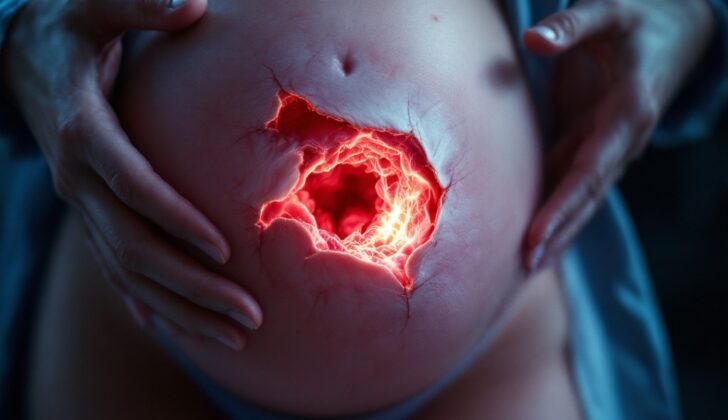
Uterine rupture occurs when there is a tear in the wall of the uterus. This can allow blood and uterine contents to leak into the abdominal cavity, making it a medical emergency.
If not treated promptly, uterine rupture can lead to:
- Severe internal bleeding
- Infection
- Damage to reproductive organs
- Fertility complications
- Life-threatening outcomes in extreme cases
Can Uterine Rupture Occur in Early Abortion?
Uterine rupture in early pregnancy is extremely rare. However, it can occur under specific circumstances, particularly when abortion or miscarriage management is unsafe or improperly handled.
In early abortion, uterine rupture is most often linked to unsafe practices rather than medically supervised care.
Risk Factors for Uterine Rupture in Early Pregnancy
1. Previous Uterine Surgery
Women with a history of caesarean section (C-section), fibroid removal (myomectomy), or other uterine surgeries may have weakened areas in the uterine wall.
2. Unsafe Abortion Practices
Abortions performed by unqualified individuals, in non-medical settings, or using unsterile instruments significantly increase the risk of complications.
3. Improper Use of Abortion Medication
Taking abortion medication without medical guidance, incorrect dosing, or use of counterfeit drugs can increase health risks.
4. Congenital Uterine Abnormalities
Some women are born with structural differences in the uterus that may increase vulnerability to injury
Warning Signs That Require Immediate Medical Attention
Seek urgent medical care if you experience any of the following after an abortion or miscarriage:
- Severe or worsening abdominal pain
- Heavy vaginal bleeding (soaking more than two pads per hour)
- Dizziness or fainting
- Fever or chills
- Extreme weakness
- Pain that does not improve with time
Why Medical Supervision Is Essential
Most serious abortion-related complications occur when care is unsafe or unsupervised. Medical consultation ensures proper assessment, safer care, and early detection of complications.
Access to professional reproductive healthcare significantly reduces risks and protects long-term health.
Reducing the Risk of Complications
Women can reduce risks by:
- Seeking care from trained medical professionals
- Avoiding self-medication and unsafe methods
- Attending follow-up appointments
- Understanding warning signs and seeking help early
Conclusion
Uterine rupture in early abortion is rare, but it highlights the importance of safe, medically supervised reproductive healthcare. Misinformation, fear, and stigma often push women toward unsafe options, increasing unnecessary health risks.
Women deserve accurate information, dignity, and access to confidential medical consultation to protect their health and future fertility.


